Reading the RIngs of Your Home
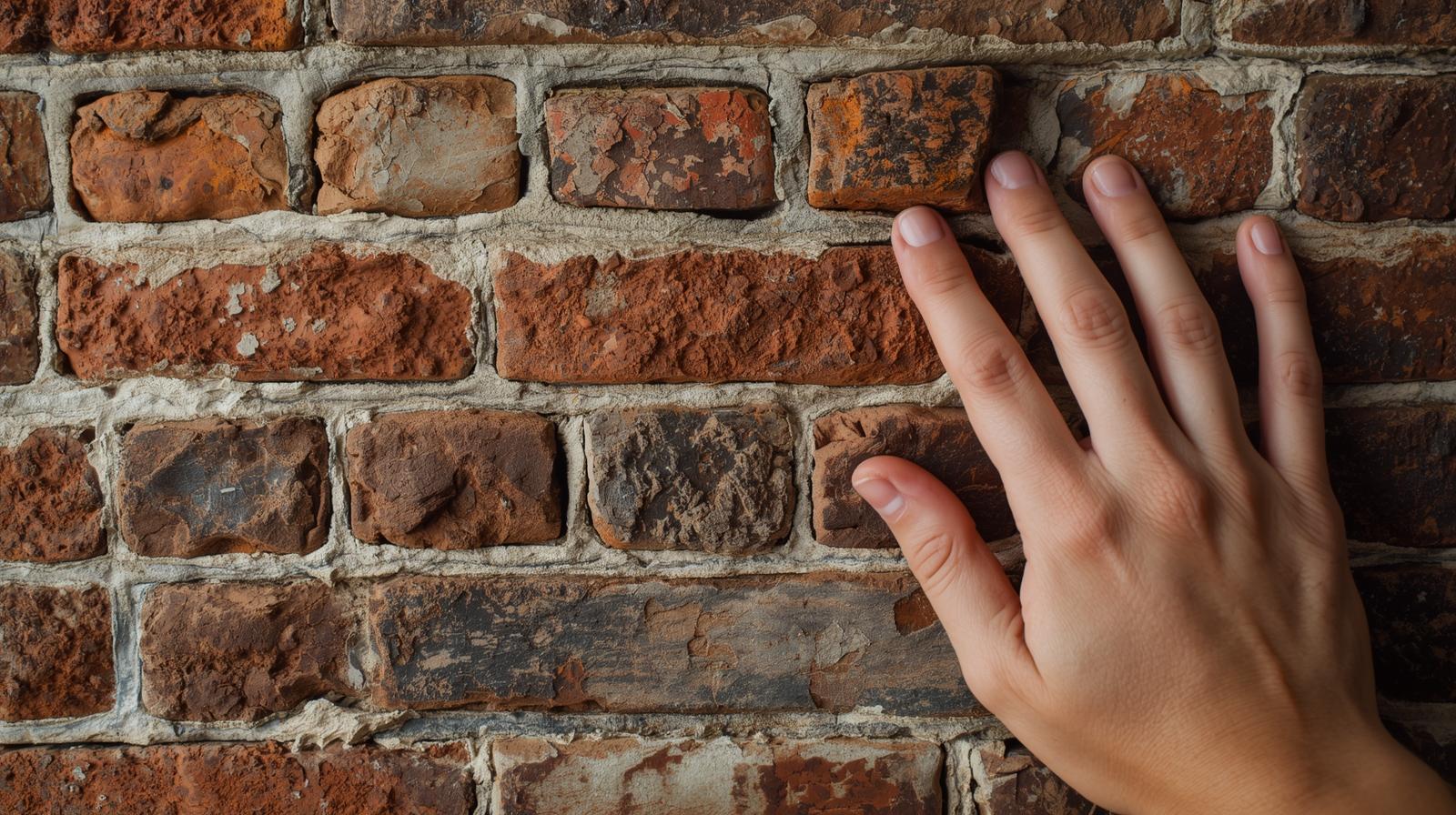
Reading the Rings of Your Home
Identifying History and Era Through Masonry
If you want to know the age of a tree, you look at its rings. But if you want to know the age, soul, and history of a building, you should look at the bricks. Masonry is more than just a structural necessity—it’s a visual timeline of architectural trends, economic shifts, and regional geology.
The Timeline of Texture and Color
Just like clothing, brick goes through cycles of fashion. By observing the color and texture of a facade, you can often pinpoint the era of construction.
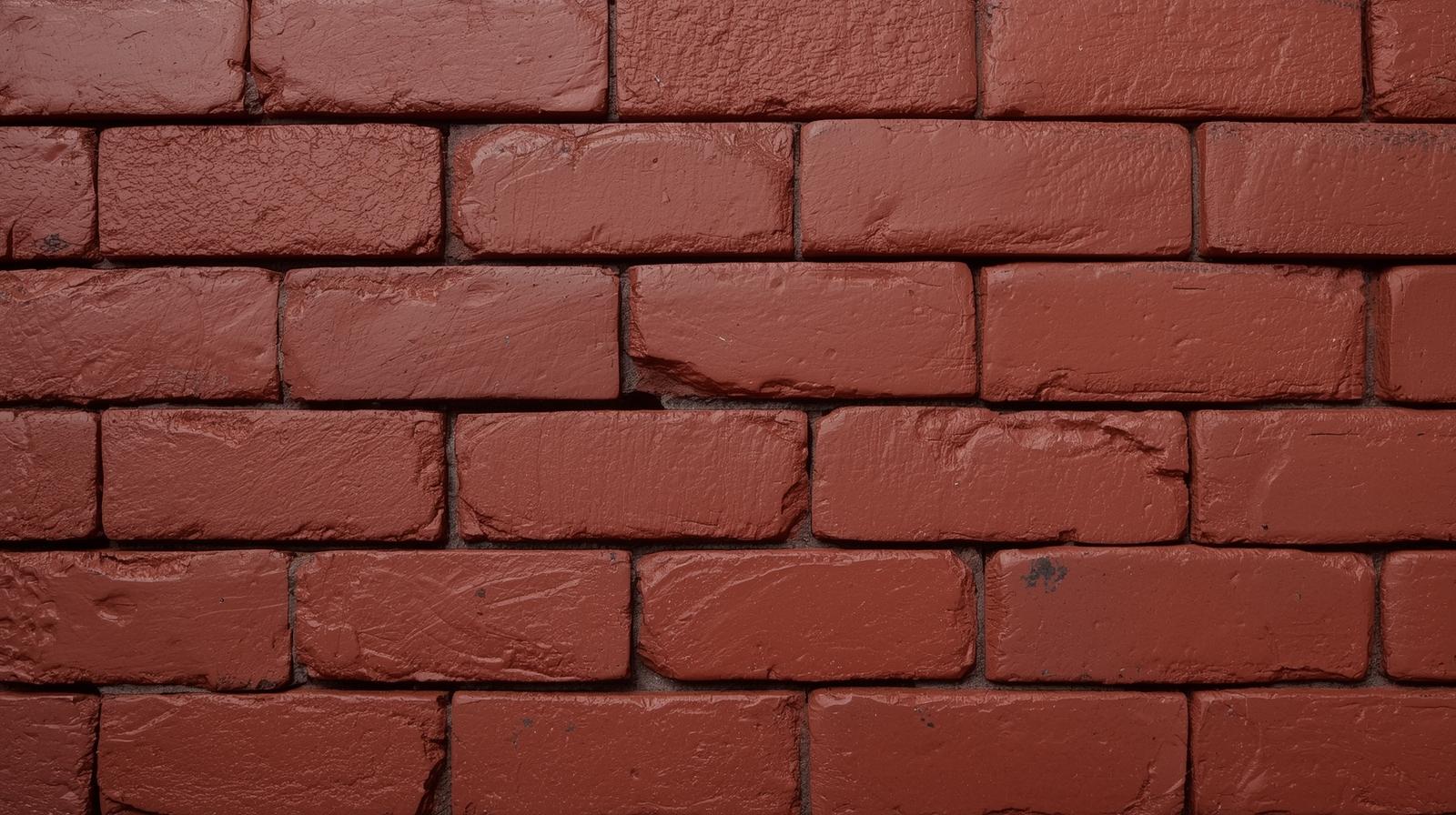
The 1800s: The "Perfect" RedEarly machine-made bricks were prized for being smooth and deep red. This era focused on uniformity and classic, clean lines.
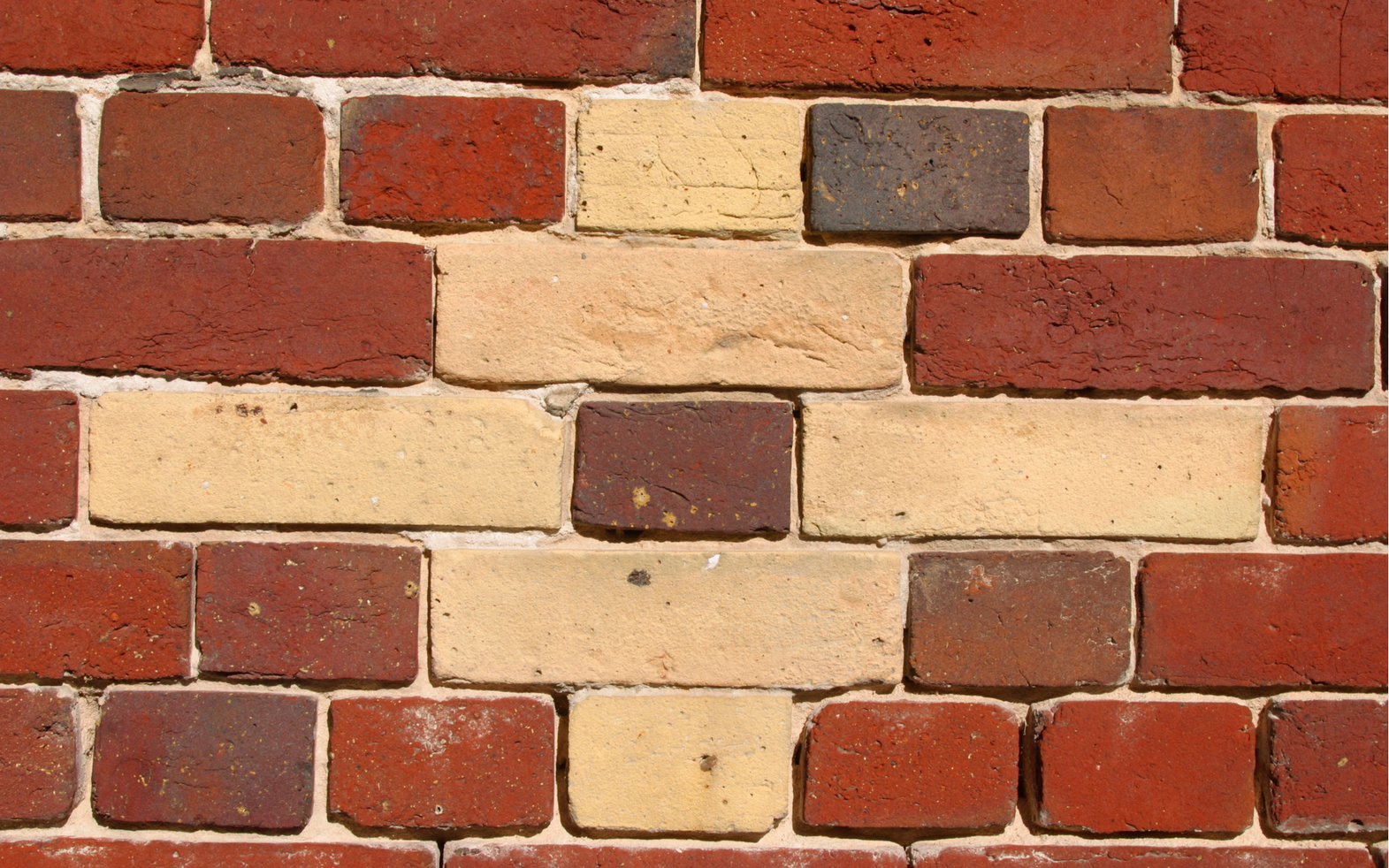
1910s–1920s: The Tapestry EraDuring this period, builders treated brick like fabric. You’ll find rough textures and multicolored patterns designed to mimic woven materials.
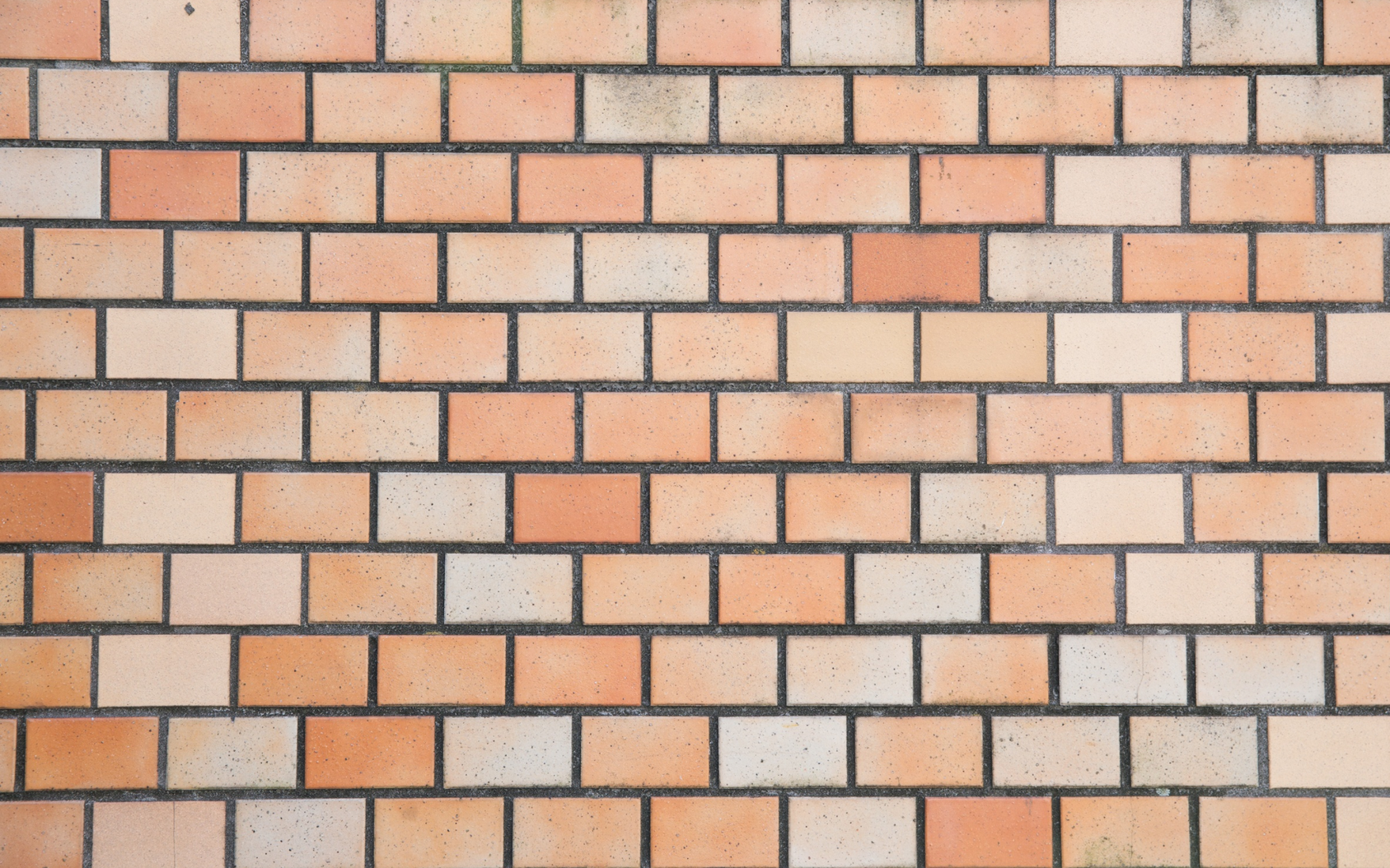
1930s–1950s: Mid-Century SleeknessFashion shifted toward smooth grays and yellows. These bricks were machine-perfect and sleek, rejecting "dust-collecting" textures.
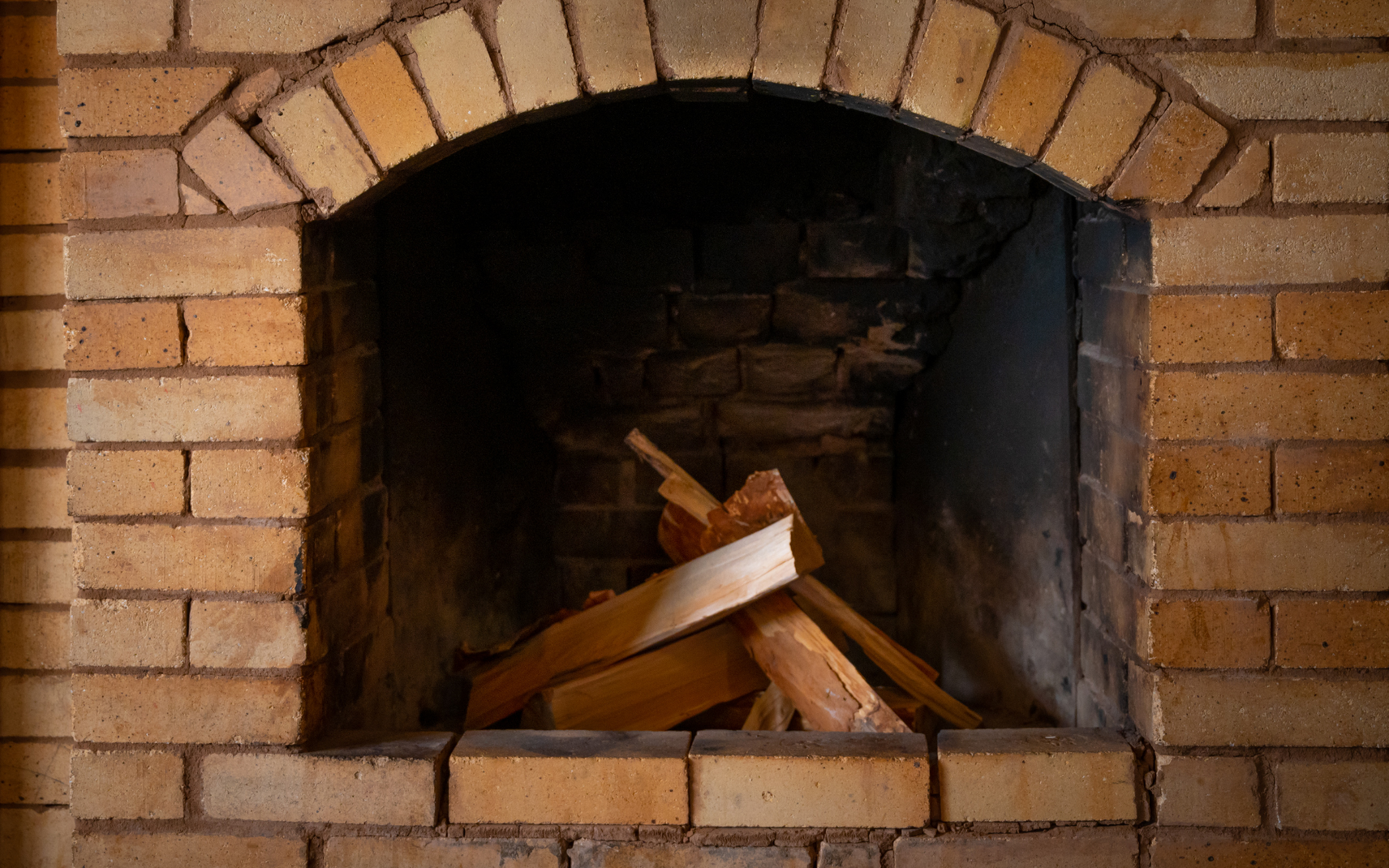
1960s–1970s: The Return of WarmthBricks became "woodsy" again, offering earthier tones. This era popularized using the same brick for both exterior walls and interior fireplaces.
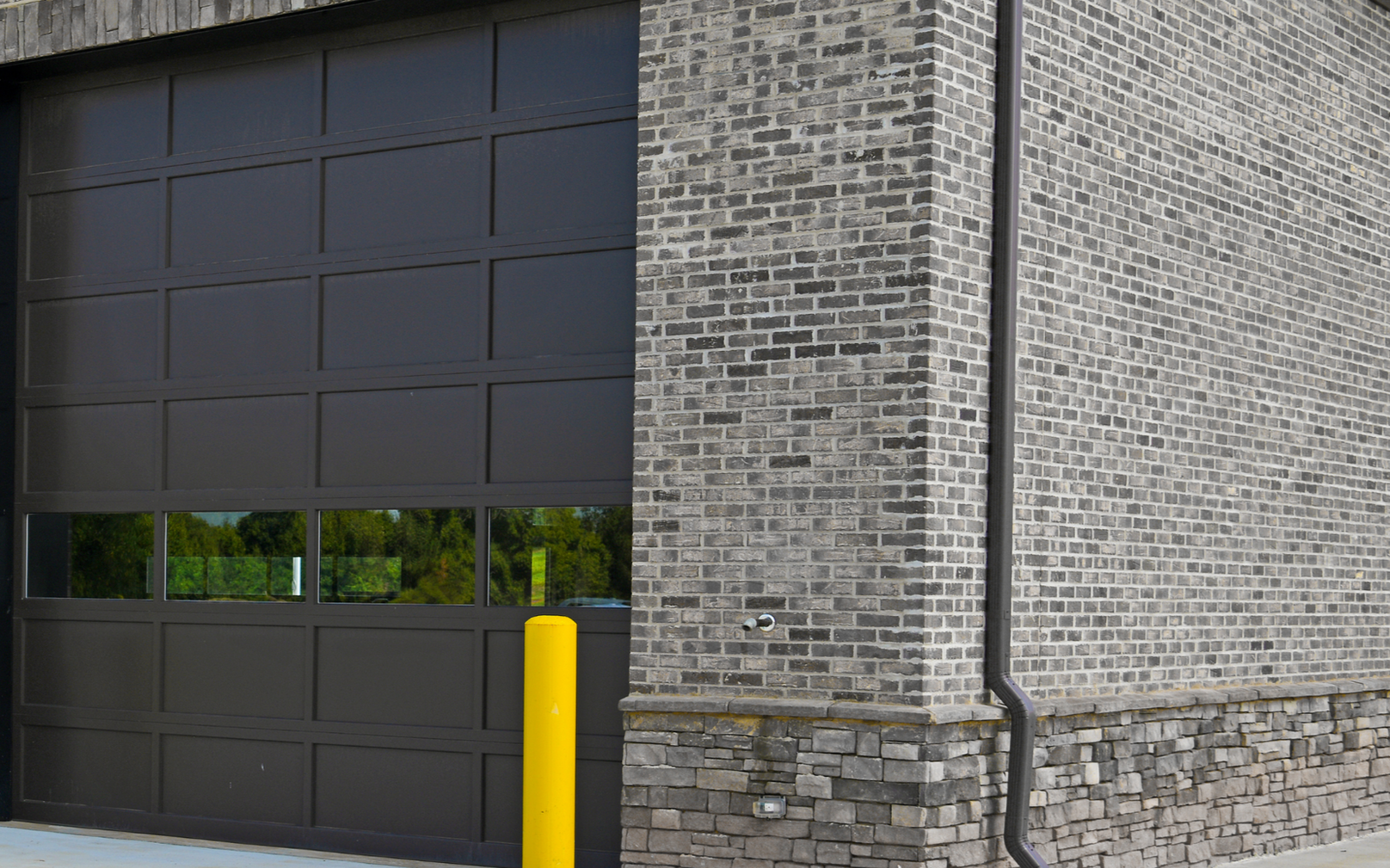
Today: Metallic and IndustrialContemporary architecture often favors metallic black or dark gray bricks designed to pair with glass and steel.
Why the Mortar Matters More Than the Brick
While the brick gets all the glory, the mortar is actually the most critical component of a wall. In historic structures, the type of mortar used for repairs can dictate its survival.
Historic buildings were often built with lime mortar, which is soft and "breathable." It allows a building to expand and contract without cracking. If a modern, high-strength cement mortar is used for repairs, the wall becomes too rigid. This tension causes the bricks themselves—rather than the mortar—to crack and crumble.
Three Tips for Healthy Masonry
🧱Let it Breathe: Avoid painting brick with standard non-porous house paint. It seals the surface, trapping moisture. If a color change is desired, use breathable brick stains or lime washes.
🧱Beware the Power Washer: Bricks have a "hard-fired" outer skin for waterproofing. High-pressure water can strip this layer away, leaving the soft interior vulnerable to erosion and freeze damage.
🧱Check for Efflorescence: White, powdery salt deposits on the surface are a "check engine light" for masonry. It suggests moisture is moving through the wall where it shouldn't.
Next time you walk past a brick building, take a closer look. Every wall has a story to tell.
